Market Perspective
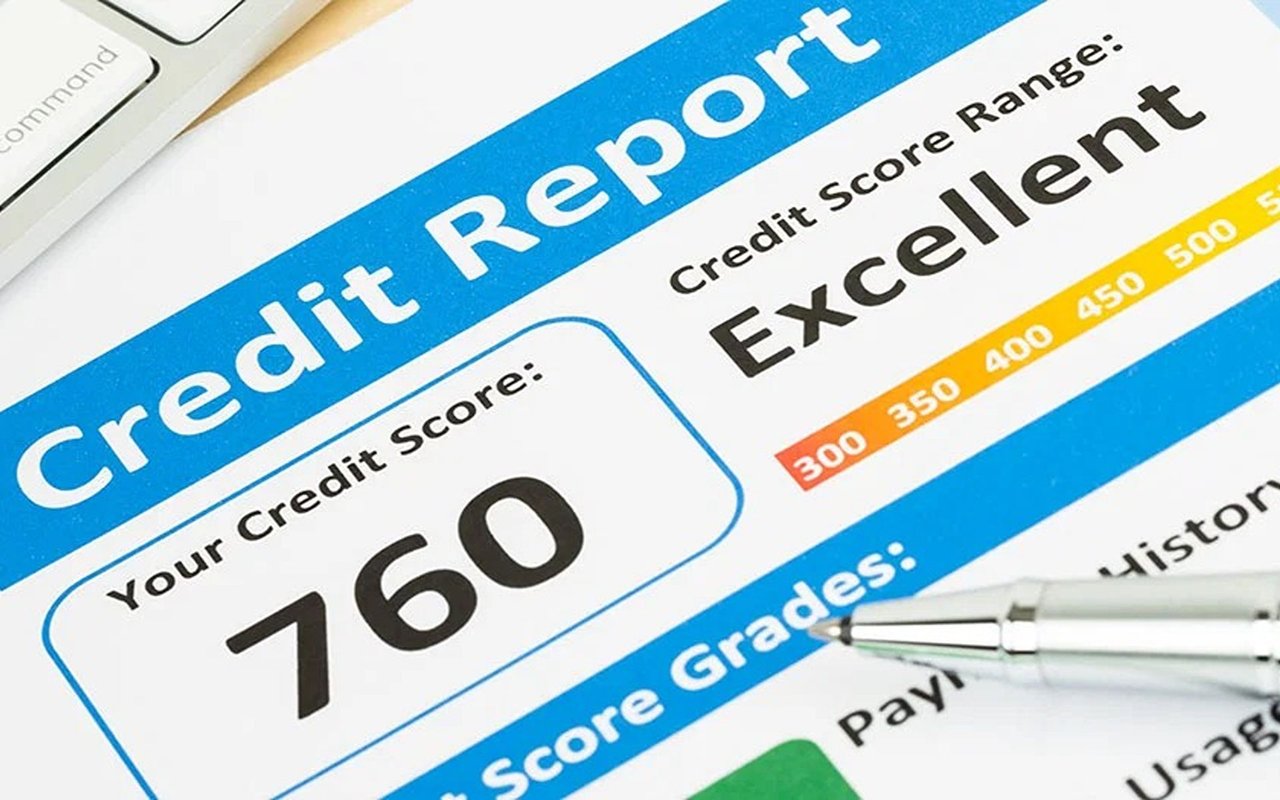
What's a Fico®?
Market Perspective
FICO® stands for Fair Isaac & Company and is the name for the most well known credit scoring system, used by Experian. The credit bureau’s computer evaluates a complete credit profile and assigns a score, which is used to estimate credit worthiness. Each of the three bureaus (Experian, Trans Union, Equifax) employs its own scoring system, so a given person will usually have 3 separate scores. Someone with a higher score will be viewed as a better risk than someone with a lower score. Typically, scores will range from about 600 to 700 or above, although some cases will be outside this range.
There are as many answers to this question as there are loan programs available. Most lenders will take the average of all 3 scores to evaluate an application. Niche loans, such as Easy Qualifier and low down payment loans will have higher FICO® requirements.
The FICO® model has 5 main elements:
Your score can only be changed by the way that item is reported directly to the credit bureaus (Experian, TU, Equifax). Written confirmation from the creditor is required. It is best to make these corrections before you try to purchase a home, because you can never be sure the exact impact a change will have on your score.
You should have your credit reviewed BEFORE you look for a home, and work with a PROFESSIONAL loan officer to make sure your loan is based on the most accurate information.
Find more helpful perspectives, local updates, and expert guidance to keep you one step ahead.

Monthly adjustments sound scary to the uninitiated, but keep in mind that this is a slow moving index.

Then they are securitized and for the most part, sold as mortgage backed securities as well.

Owning your home carries with it a sense of pride, accomplishment, and even an elevated social status.

Instead, the biweekly mortgage company is an intermediary between you and your mortgage lender.

Discounts may also be available if you use the same lender for your refinance loan and your original loan.

Only the trustee, on behalf of the trust, may own and convey any interest in real property.

However, not all lenders will lend on a property held in trust, so check with your lender first.

A variation of the no-cost loan is the “no points” loan, or even the “no points, no lender fees” loan.

Title Insurers, unlike property or casualty insurance companies, operate under the theory of risk elimination.
With nearly two decades of experience, Robert understands that every client's needs are different. He brings a hands-on approach, attentive service, and market knowledge to help you navigate every decision with confidence.

ADDRESS 1243 Yale St Houston, TX 77008 OFFICE ADDRESS 23309 Kuykendahl Rd Tomball, TX 77375